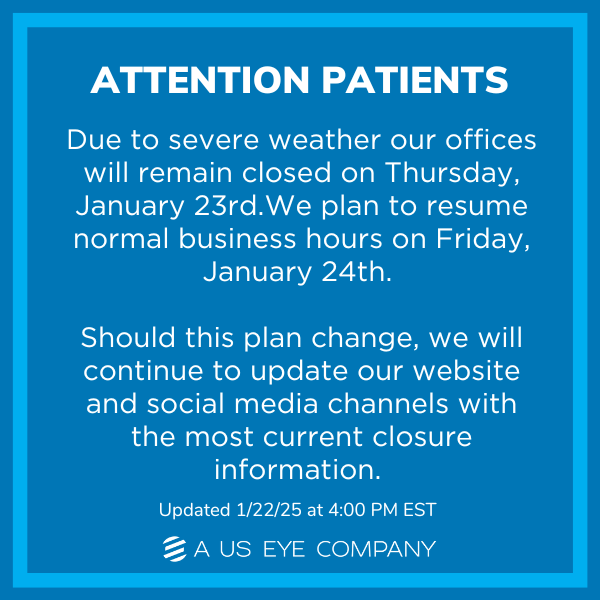


A Message from Our Medical Director
Welcome to Carolina Eyecare Physicians. We consider it a privilege to be entrusted with your care. Our mission is to help you enjoy life to the fullest by protecting, preserving, and restoring the most precious gift… the gift of sight.
Established over 30 years ago, Carolina Eyecare Physicians is one of the nation’s leading multi-disciplinary physician groups. While on our website, we invite you to learn more about the services we offer and the outstanding team we have assembled. We are proud to deliver unsurpassed results with personal attention and compassionate care.
If you have questions, contact an advanced eyecare specialist at Carolina Eyecare Physicians. Again, thank you for your trust and confidence in us.


Frequently Asked Questions
What does an advanced eyecare specialist do, and when should I see one?
An advanced eye care specialist focuses on diagnosing and treating complex eye conditions like cataracts, glaucoma, and retinal disease using the latest techniques and technology. See one if you have a changing vision, persistent eye pain, sudden vision loss, or a diagnosis that requires surgical or specialty medical care.
How do I know whether to visit the Advanced Eyecare Center or my regular optometrist?
If your concern is beyond routine vision correction, for example, cataracts, retina problems, glaucoma, or surgical evaluation, the Advanced Eyecare Center offers specialists and surgical options not available in many primary eye clinics. For routine glasses/contact checks and simple prescriptions, your optometrist is a great first step, but we recommend a specialist if symptoms persist or worsen.
How do I find an eye doctor for cataracts at Carolina Eyecare, and what can I expect?
Carolina Eyecare lists cataract surgery and lens option information and experienced surgeons who evaluate your lifestyle and vision goals to recommend the right intraocular lens. Expect a consultation to review lens choices, surgical steps, and recovery so you can make an informed decision.
Do eyecare physicians and surgeons at Carolina Eyecare accept my insurance, and how do I schedule?
Their team of eye care physicians and surgeons works with many insurance plans and offers multiple convenient locations. Check the practice’s insurance/payment pages and location list, then use the online scheduler or call to book an appointment. If you’re unsure about coverage, bring your insurance details when you call, and the staff can confirm benefits before your visit.
What should I bring to my first visit, and how long will an exam or consultation take?
Bring a list of current medications, your insurance card, and any prior eye records if available; a typical comprehensive exam or surgical consultation generally takes one appointment slot (short check-in plus exam and discussion), while surgical visits include separate pre-op and post-op steps. Plan for extra time on your first visit so the care team can review your history and answer questions thoroughly.
Locations
We have several convenient locations throughout South Carolina. Please view the nearest location to you or get directions below.
Our Services


News
Diabetic Retinopathy: Symptoms, Screening and Treatment Explained by Dr. King
Diabetic RetinopathyReviewed By: Dr.Lowrey P. King, MD When you have diabetes, you already have plenty to manage. An eye appointment may not feel urgent, especially when you can still read, drive, and see clearly. But clear vision does not always mean your retina is healthy. Diabetes can damage the blood vessels inside your eyes before you […]
Read More… from Diabetic Retinopathy: Symptoms, Screening and Treatment Explained by Dr. King
What Diabetic Retinopathy Looks Like Before You Notice Any Symptoms
Diabetic RetinopathyReviewed By: Dr. Jonathan Brugger Diabetic retinopathy can begin quietly. The retina may already be changing even when your vision seems normal. Knowing the diabetic retinopathy early signs means understanding that the first warning may not be something you can see or feel. This matters because diabetes can damage the small blood vessels that supply […]
Read More… from What Diabetic Retinopathy Looks Like Before You Notice Any Symptoms
Cataract Surgery Lens Options: Which IOL Is Right for You?
Cataract SurgeryReviewed By: Dr. Peter B. Knowlton Summary Cataract eye surgery replaces the eye’s cloudy natural lens with an artificial intraocular lens, or IOL. Available options include monofocal lenses, toric correction for astigmatism, multifocal or trifocal lenses, extended depth-of-focus lenses, and the Light Adjustable Lens. The right choice depends on your eye health, visual priorities, comfort […]
Read More… from Cataract Surgery Lens Options: Which IOL Is Right for You?
Diabetic Retinopathy: Symptoms, Screening and Treatment Explained by Dr. King
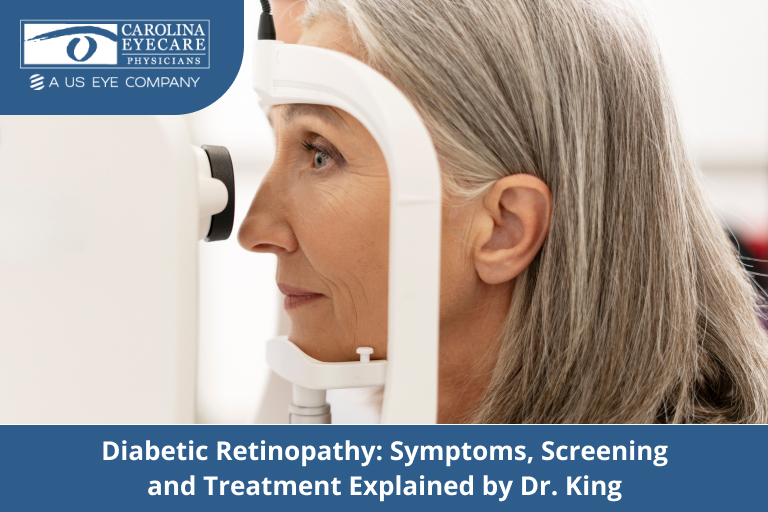
Reviewed By: Dr.Lowrey P. King, MD When you have diabetes, you already have plenty to manage. An eye appointment may not feel urgent, especially when you can still read, drive, and see clearly. But clear vision does not always mean your retina is healthy. Diabetes can damage the blood vessels inside your eyes before you […]
Read More… from Diabetic Retinopathy: Symptoms, Screening and Treatment Explained by Dr. King
What Diabetic Retinopathy Looks Like Before You Notice Any Symptoms
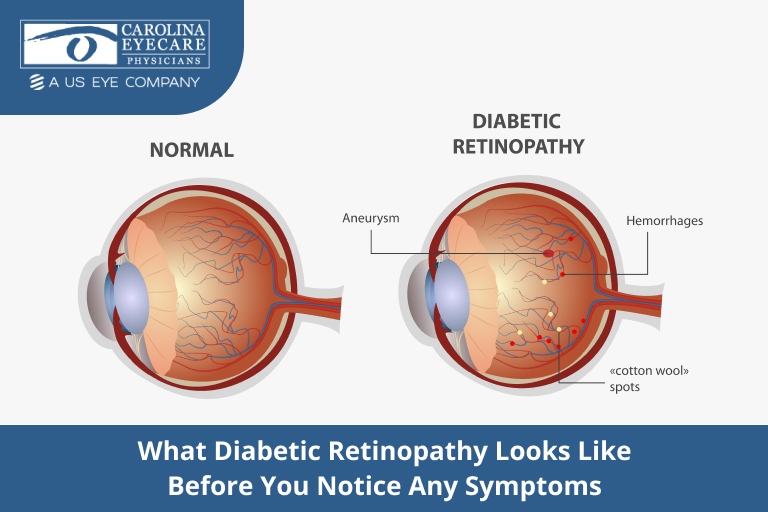
Reviewed By: Dr. Jonathan Brugger Diabetic retinopathy can begin quietly. The retina may already be changing even when your vision seems normal. Knowing the diabetic retinopathy early signs means understanding that the first warning may not be something you can see or feel. This matters because diabetes can damage the small blood vessels that supply […]
Read More… from What Diabetic Retinopathy Looks Like Before You Notice Any Symptoms
Cataract Surgery Lens Options: Which IOL Is Right for You?
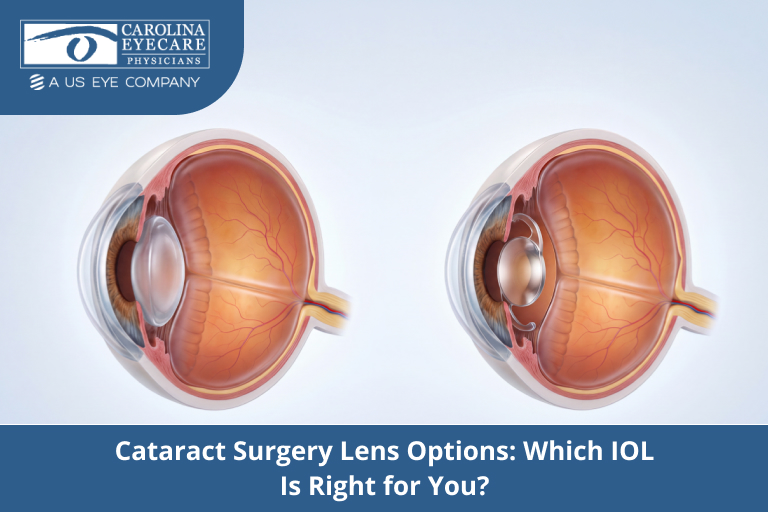
Reviewed By: Dr. Peter B. Knowlton Summary Cataract eye surgery replaces the eye’s cloudy natural lens with an artificial intraocular lens, or IOL. Available options include monofocal lenses, toric correction for astigmatism, multifocal or trifocal lenses, extended depth-of-focus lenses, and the Light Adjustable Lens. The right choice depends on your eye health, visual priorities, comfort […]
Read More… from Cataract Surgery Lens Options: Which IOL Is Right for You?


We are a proud partner of US Eye, a leading group of patient-centric, vertically integrated multi-specialty physician practices providing patients with care in ophthalmology, optometry, dermatology, audiology, and cosmetic facial surgery.